As Saskatoon continues to grow, good urban planning is becoming more important to the city’s long-term success.
As Saskatoon continues to grow, good urban planning is becoming more important to the city’s long-term success. While planning doesn’t usually produce something you can immediately experience, it is incredibly important as it creates essential frameworks upon which the future of the city can be built.
Urban planning is how a city decides where homes, roads, schools, businesses and parks should be built. It helps create templates for making life in Saskatoon better for everyone, with accessible services, transportation options, parks and recreation opportunities and affordable housing.
Saskatoon’s population has increased steadily over the past several years. At the City of Saskatoon, the Planning and Development team helps manage growth, so the city remains safe, affordable and easy to live in. More people mean more demand for housing, transportation and public services such as water, fire protection and recreation facilities. Without careful planning, growth can happen too quickly or in ways that are hard to manage.
Planning helps ensure growth happens in the right places. When cities expand outward too fast, it can lead to urban sprawl that can mean longer commutes, heavier traffic and higher costs to maintain roads and utilities. It can also make it harder for residents to access schools, stores and jobs.
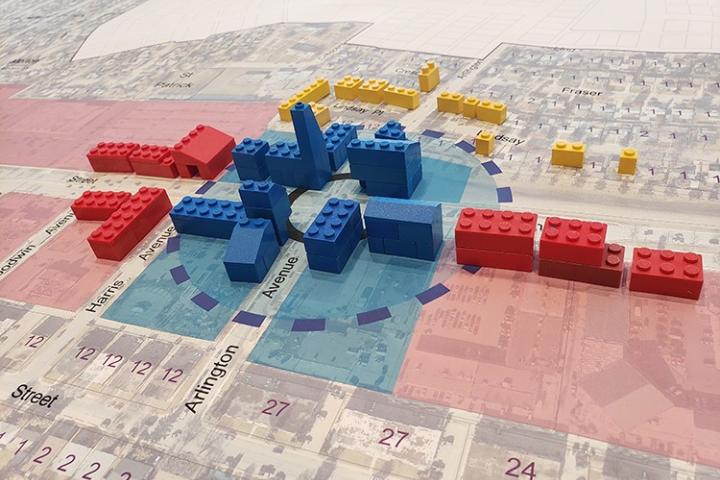
With proper planning, Saskatoon can grow more efficiently. This includes developing areas close to existing neighbourhoods and services. It also means encouraging different types of housing, such as apartments, townhouses and single-family homes, so people at different stages of life can find a place to live. Infill is an important part of Saskatoon’s growth strategy, which is why older neighbourhoods are now seeing new developments along the major traffic corridors in the city.
Looking ahead is another key part of urban planning. City planners use population forecasts and economic data to prepare for future needs. This allows the city to build infrastructure like bridges, water lines and transit routes before they are urgently required. Planning ahead is usually cheaper than fixing problems later.
Urban planning also affects quality of life. Well-planned neighbourhoods often have sidewalks, bike paths and green spaces. These features make it easier for people to get around safely and stay active and help create stronger, more connected communities.
Cost matters too. When a city grows without a plan, providing services can become more expensive. Thoughtful growth helps Saskatoon use tax dollars wisely and avoid sudden costs that could raise property taxes.
Ultimately, planning guides growth so the city develops in a balanced and sustainable way. As more people choose to call Saskatoon home, planning helps protect what residents value while preparing for the future.