Ahead of National Zookeeper Week, we highlight the dedicated animal care specialists who spend up to six hours each day supporting the health and well-being of Saskatoon Zoo’s grizzly bears through enrichment, training and close behavioural monitoring.
As the Saskatoon Forestry Farm Park & Zoo prepares to celebrate National Zookeeper Week July 19 - 25, it is a fitting time to recognize the skilled and compassionate animal care specialists whose work supports animal health and well-being every day.
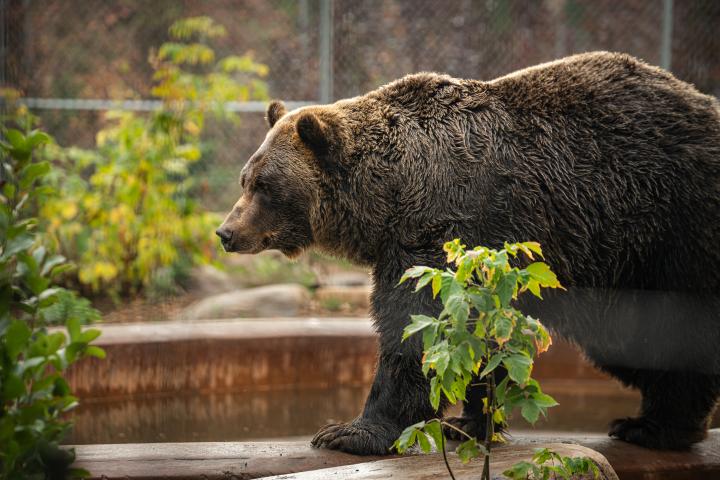
Visitors to the grizzly bear habitat may catch Koda or Mistaya swimming, foraging or resting in the sun. What they may not see is the planning, observation and expertise that help make those natural behaviours possible.
At the centre of that work are dedicated animal care specialists who spend approximately six hours each day focused solely on the bears’ care and well-being.
The role is both hands-on and highly responsive. Each day begins with observation. The specialist carefully monitors how the bears are behaving, their activity levels and how they are interacting with their environment. Those observations help shape decisions throughout the day and ensure care remains responsive to the bears’ needs.
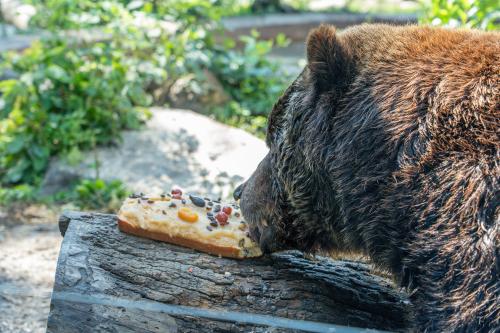
Enrichment is a key part of the daily routine. Multiple enrichment activities are introduced throughout the day to encourage curiosity, movement and problem-solving. This may include hiding food in different locations, introducing new scents or providing objects that require manipulation. These activities are designed to promote behaviours grizzly bears would naturally display in the wild, such as foraging and exploring.
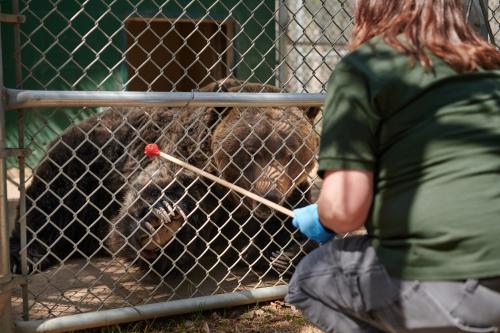
Training is another important part of the bears’ daily care. Koda and Mistaya take part in several short training sessions each day. These sessions are based on positive reinforcement and voluntary participation. They support routine health care by allowing staff to observe specific behaviours or physical conditions more closely. Training also helps reduce stress by building trust between the bears and their caregiver.
As part of this ongoing care, animal care specialists also monitor for behaviours such as pacing or circling. Koda has occasionally displayed this type of behaviour, which is generally understood as a coping response to overstimulation. The Zoo takes this seriously and is actively working with its veterinary team and a behavioural specialist from the Western College of Veterinary Medicine to better understand and address it. The bears are monitored closely, and their daily care and enrichment plans are continually adjusted to support their overall well-being.
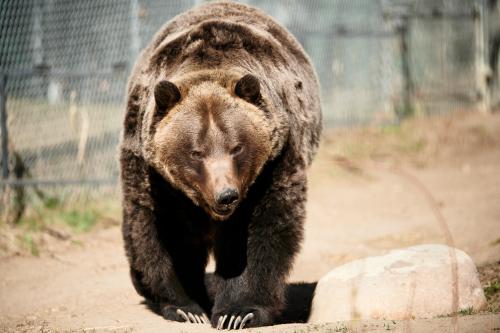
The goal is to create a dynamic and stimulating environment. Rather than following a fixed schedule, the specialist adjusts activities based on how the bears respond. This helps keep the habitat engaging and encourages a range of natural behaviours, including playing, swimming and resting.
For visitors, that means no two visits are exactly the same. What they see in the habitat is the result of thoughtful, ongoing work taking place throughout the day.
During National Zookeeper Week, stories like Koda and Mistaya’s offer a closer look at the expertise, patience and care animal care specialists bring to their work across the Zoo. Their role goes far beyond daily feeding and cleaning. They help shape environments, build trust with animals, support health monitoring and contribute to the overall welfare of every animal in their care.
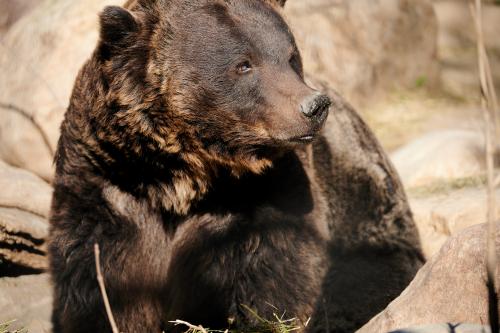
This approach reflects the Zoo’s broader commitment to animal welfare in a managed care setting. By combining observation, enrichment and training, animal care specialists support both the physical and mental health of Saskatoon Zoo’s grizzly bears while giving visitors a meaningful opportunity to observe them engaging in natural behaviours.
As National Zookeeper Week approaches, we would like to thank the animal care specialists at the Zoo for the knowledge, patience and daily care they bring to the health and well-being of the animals every day.