Naturalized areas help the environment, save money and support local wildlife.
If you’ve ever walked past a park with tall grass and thought, Why isn’t anyone mowing this?, you’re not alone. But in many places, that "overgrown" look is on purpose. Naturalized areas are becoming more common because they help the environment, save money, and support local wildlife. Here’s what’s really going on.
It’s not neglect - it's nature at work
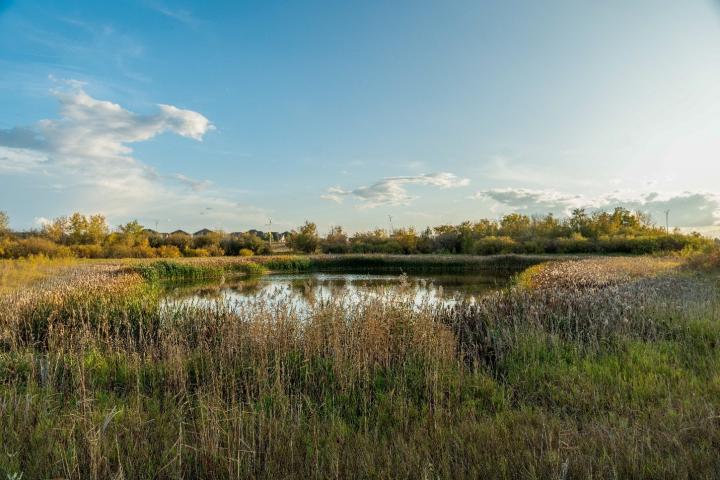
Naturalized areas are designed to look more like the prairies that once covered this region. Taller grasses and wildflowers create healthier soil, provide important habitat for wildlife by supporting insects and birds, and improve climate resilience. These spaces may look messy compared to short lawns, but they’re full of life.
Tall grass helps wildlife thrive
Many species depend on tall grass and native plants. Creatures like bees, butterflies, birds, and small mammals use these plants for food, shelter, and even safe hiding spots. When we mow less, we give these creatures a better chance to survive and thrive in our urban environment.
Naturalized areas save water and the environment
Short lawns need many inputs to stay healthy: including a lot of water, fertilizer, and frequent mowing. Naturalized areas do not. Native and drought-tolerant plants have deep roots that help them stay healthy during dry and hot weather. They also trap rainwater, reduce flooding, and filter pollution before it reaches our river and wetlands.
It’s cheaper and better for the environment
Mowing large areas every week takes fuel, time, and money. By letting some spaces, not needed for neighbourhood recreation or community gathering, grow naturally, cities can reduce emissions from lawn equipment and save resources. That means more time and money for other important services.
These areas are planned and managed
Even though they look wild, naturalized parks aren’t left alone. City crews monitor them, remove harmful weeds, and make sure paths and sightlines stay safe. It’s a balance between letting nature grow and keeping the space enjoyable for everyone.
Naturalized areas may look different from the lawns and turf we’re used to, but they play an important role in keeping our city healthy. The next time you see tall grass, you’ll know it’s not a sign of neglect: it’s a sign of nature being given room to do its job.
What you can do
Residents have the option of planting their own naturalized yard! Check out the Natural Garden Guidelines for more information on how to create a well-maintained naturalized yard.