Fleet renewal doesn’t happen overnight, but Saskatoon Transit’s experience shows the value of long‑term planning and steady investment.
When Saskatoon Transit first introduced its long‑term fleet renewal plan, the goal was clear: modernize an aging bus fleet to provide more reliable, comfortable, and sustainable service for a growing city. At the time, many buses were nearing or beyond their intended service life, leading to higher maintenance demands and increased pressure on daily operations. Riders experienced crowding and occasional service disruptions, while the maintenance team worked to keep aging vehicles on the road. The fleet renewal plan was designed to change that steadily, responsibly, and for the long term.
Over the past several years, that plan has moved from concept to action. City Council approved a revised, multi‑year fleet renewal strategy that accelerated bus replacement, and accounted for rising vehicle costs and longer manufacturing lead times following the pandemic in 2022. The strategy focused on maintaining service levels, improving reliability, and preparing for the Link rapid transit system coming in 2028, while continuing to replace buses at a sustainable pace.
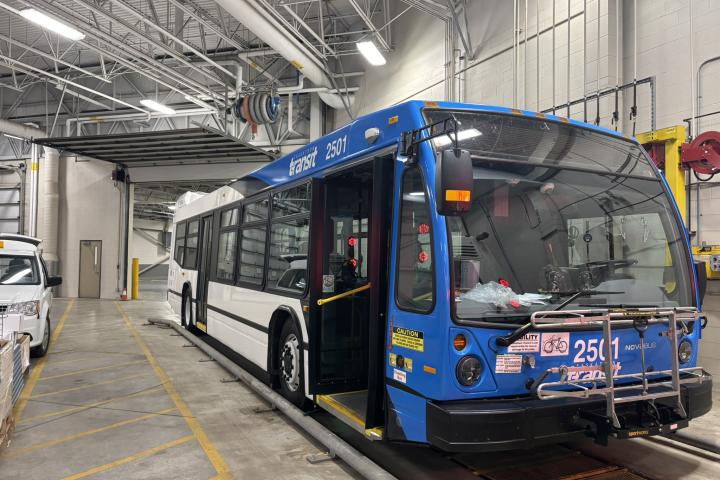
Between 2024 and 2025, Saskatoon Transit began receiving multiple shipments of new buses, including 10 40‑foot buses, 10 60‑foot articulated buses and five paratransit buses. Another 43 new diesel buses and 14 new paratransit vehicles will be delivered through 2028 as part of the ongoing replacement plan. These arrivals allow Transit to retire buses in poor and very poor condition that are expensive to maintain, while increasing capacity on busy routes during peak travel times.
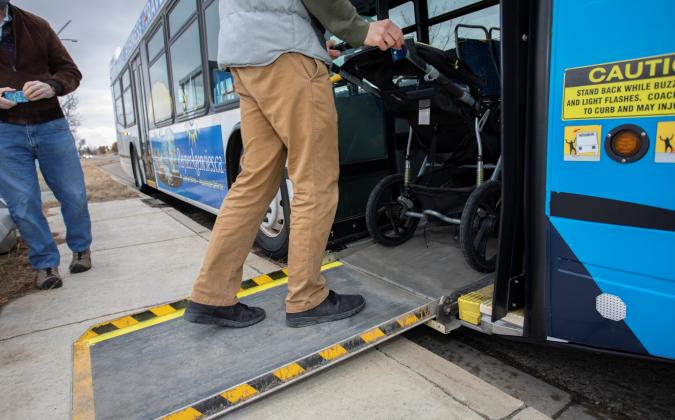
As new buses enter service, the average age of Saskatoon Transit’s fleet is beginning to move back toward industry standards. Prior to accelerated renewal, the average age of 40‑foot fixed‑route buses exceeded 11 years, well above the City’s target of approximately 7.5 years. With each new delivery and planned retirement of older units, that average is gradually decreasing. Similar progress is underway for Access Transit, where newer paratransit buses are replacing aging vehicles and improving reliability for customers who depend on door‑to‑door service.
Newer buses bring immediate, everyday benefits. They are more fuel‑efficient, require fewer repairs, and are better equipped to operate reliably in Saskatoon’s extreme weather. Riders benefit from fewer service interruptions, less crowding, and a more comfortable ride. Operators and maintenance staff benefit from safer, more dependable equipment and reduced strain on aging vehicles.
As part of its long‑term planning, Saskatoon Transit also took a data‑driven look at the future of bus technology. In partnership with the Canadian Urban Transit Research and Innovation Consortium (CUTRIC), Transit completed a comprehensive study to assess whether a full transition to zero‑emission buses is feasible in Saskatoon. The study found that, while zero‑emission buses show strong long‑term potential, a full fleet conversion is not financially or environmentally feasible in the short to medium term under current conditions.
A key factor was that Saskatchewan’s electricity grid still relies heavily on fossil fuels. As a result, the overall greenhouse‑gas benefits of electric buses are limited today, despite having zero tailpipe emissions. The study also highlighted the significant infrastructure and lifecycle costs associated with full electrification.
Rather than slowing progress, the study reinforced the City’s current approach: renewing the fleet responsibly today while planning for the transition to lower‑emission technologies when conditions are right.
Fleet renewal doesn’t happen overnight, but Saskatoon Transit’s experience shows the value of long‑term planning and steady investment. From newer buses on city streets to improved reliability and capacity, the fleet renewal plan is delivering tangible results — keeping Saskatoon moving today while building a stronger transit system for the future.