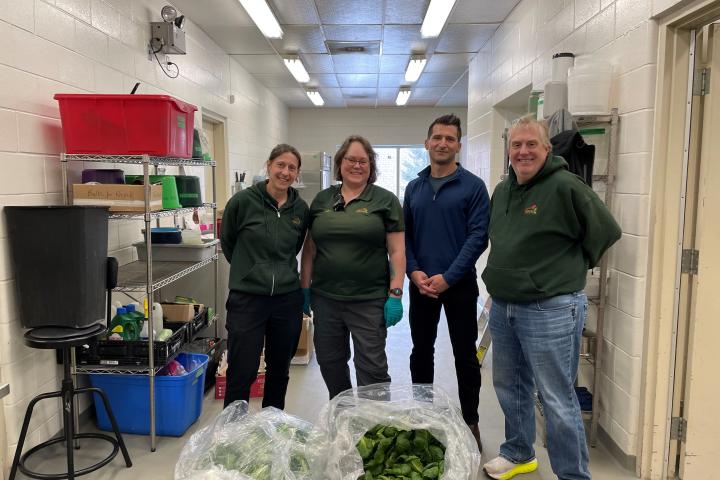
A Saskatoon research project is giving surplus lettuce a new purpose at the Saskatoon Forestry Farm Park & Zoo. Research-grown greens that were once composted are now being used as a fresh treat for some animals.
A Saskatoon research project is giving lettuce a second life — and some zoo animals are enjoying the results.
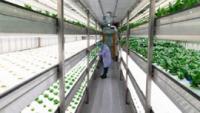
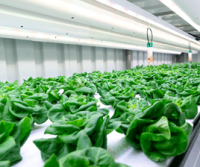
The National Research Council of Canada’s Aquatic and Crop Resource Development Research Centre, working with Saskatchewan Polytechnic, is studying how food can be grown in controlled indoor environments using a modular agriculture research station, or MARS. The research looks at how fresh produce could be grown in places where traditional farming is harder, including northern or remote communities and areas facing harsh weather.
At the end of each research cycle, the lettuce used in these studies was once composted.
Now, through a partnership with the Saskatoon Forestry Farm Park & Zoo, some of that surplus lettuce is being put to good use as feed and enrichment for zoo animals.
It is a simple idea, but a meaningful one. Research that was already underway has found an added local benefit. It is a good example of how research organizations and local partners can find practical, community-minded uses for work already happening.
For the Zoo, it is also a behind-the-scenes example of the thought that goes into caring for animals. Food is not just about nutrition. It can also provide variety and enrichment as part of an animal’s daily routine.
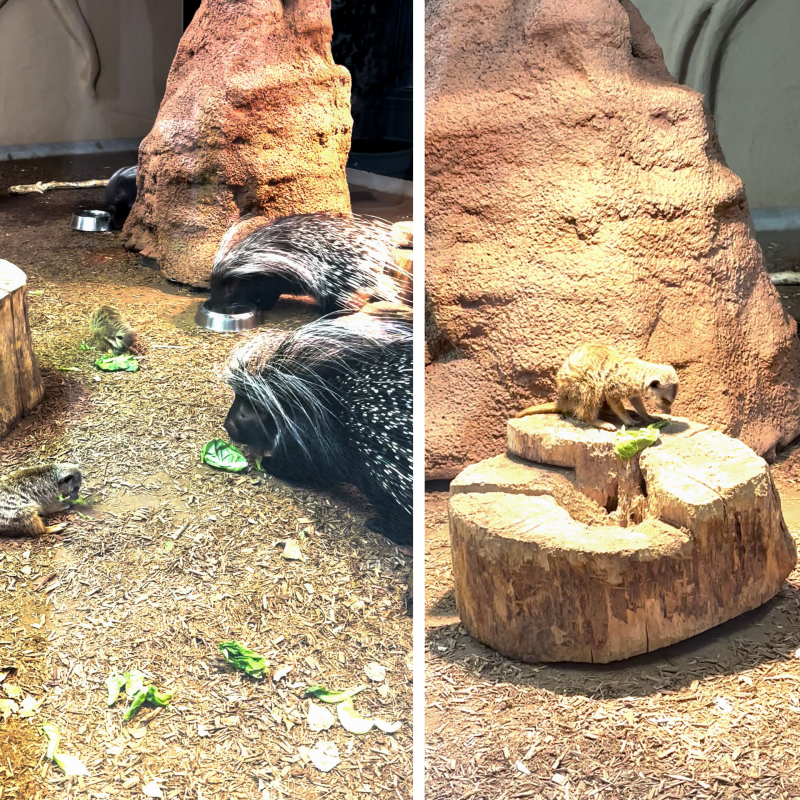
Sometimes innovation looks big and complex. Sometimes it looks like finding a better use for leftover lettuce.
In this case, a Saskatoon research project has found a happy second purpose at the Zoo — connecting science, sustainability and animal care in a way residents can easily understand and appreciate.
To learn more about the project and the research behind it, read the full article from the National Research Council of Canada.